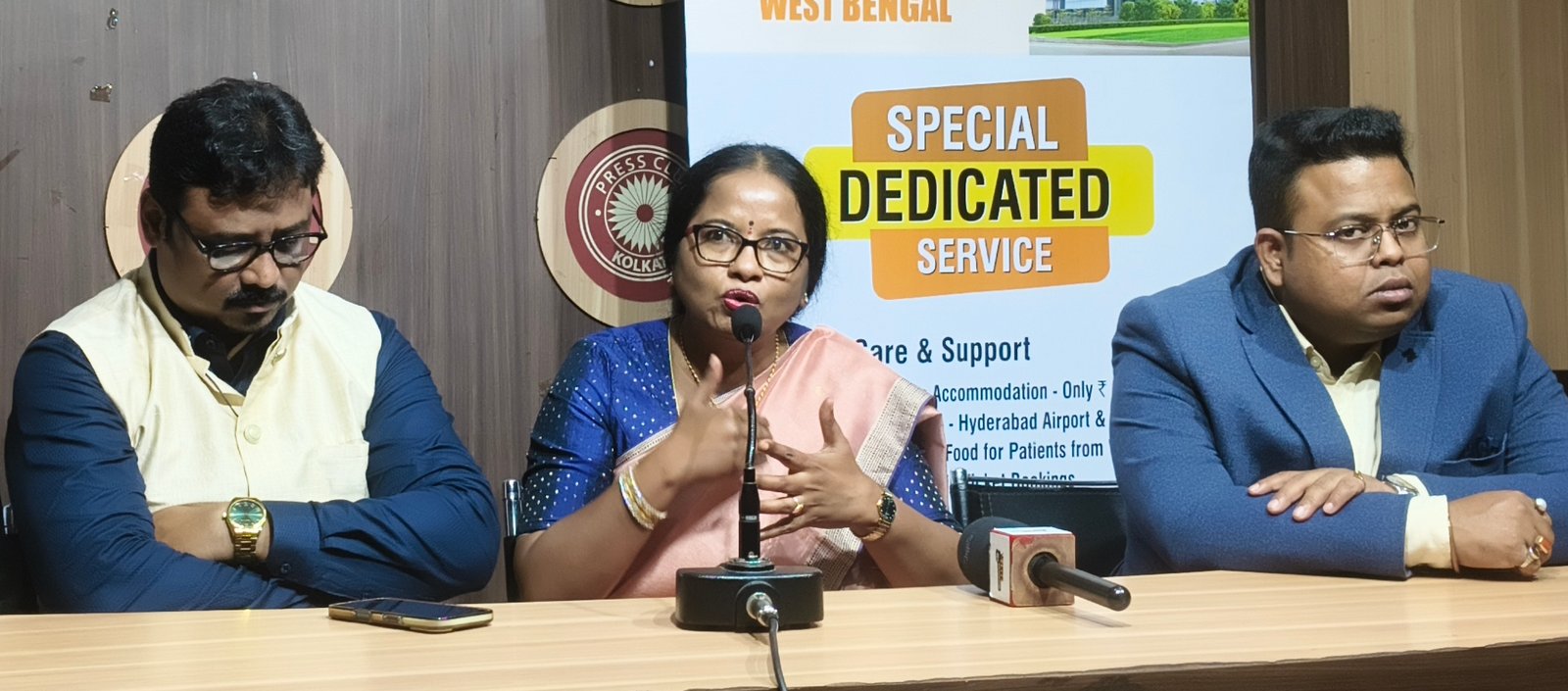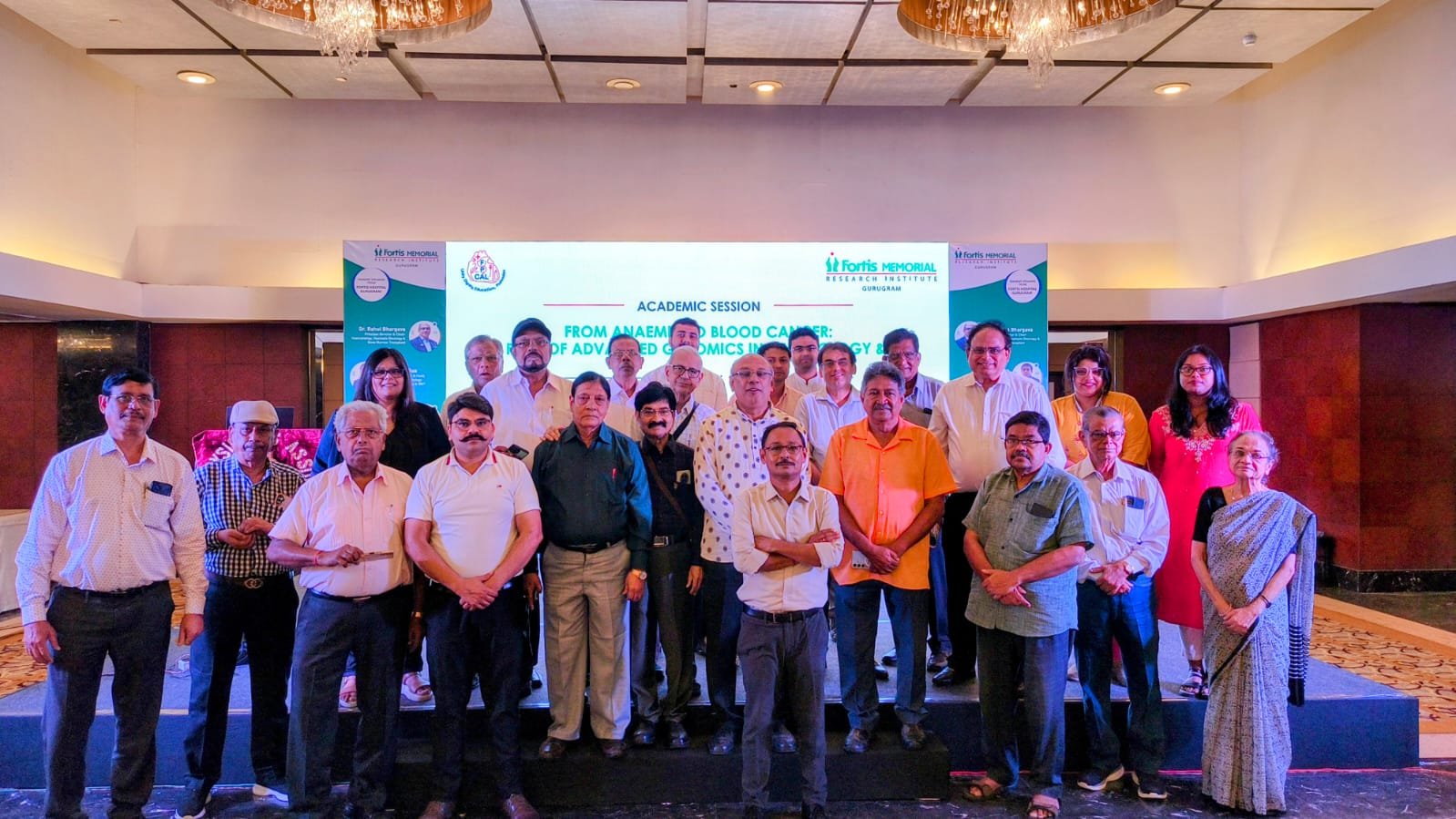
Kolkata, June 09, 2026: Fortis Memorial Research Institute, Gurugram organized a ‘Hematology Conclave’ in Kolkata, bringing together leading haematologists, oncologists and healthcare professionals to discuss emerging trends and advancements in blood disorders, bone marrow transplantation, Paediatric Hematology and genomic medicine.
The conclave, held at The Park Hotel, aimed to enhance awareness and strengthen collaboration among physicians by sharing the latest clinical insights, evidence-based practices and innovations that are transforming the diagnosis and treatment of hematological associated ailments. The conclave featured distinguished experts from Fortis Gurugram – Dr Rahul Bhargava, Principal Director & Chief, Hematology, Hemato-Oncology & Bone Marrow Transplant, Dr Vikas Dua, Principal Director & Head, Paediatric Hematology, Oncology & Bone Marrow Transplant and Dr Shrinidhi Nathany, Consultant, Molecular Hematology & Oncology; The session had expert-led presentations followed by interactive discussions with attending physicians from across Kolkata. The scientific sessions covered advancements in hematology and bone marrow transplantation, contemporary approaches to anemia in children, and the growing role of genomics in precision medicine.
Dr Rahul Bhargava, Principal Director & Chief, Hematology, Hemato-Oncology & Bone Marrow Transplant, Fortis Memorial Research Institute, Gurugram said, “The field of hematology has witnessed remarkable progress over the last decade, particularly in bone marrow transplantation and targeted therapies. Today, many blood cancers and complex blood disorders that were once considered difficult to treat can be managed effectively with personalized treatment approaches and advanced transplant techniques.”
Dr Vikas Dua, Principal Director & Head, Paediatric Hematology, Oncology & Bone Marrow Transplant, Fortis Memorial Research Institute, Gurugram said,
“Anemia continues to be one of the most common health concerns among children in India. While nutritional deficiencies remain a major cause, it is equally important to recognize underlying hematological conditions that may require specialized evaluation and treatment. Early diagnosis and timely management of pediatric blood disorders can significantly improve a child’s growth, development and long-term health outcomes. Greater awareness among healthcare providers is
crucial for ensuring that children receive the right care at the right time. With improved treatment protocols and supportive care, we are achieving better survival rates and enhanced quality of life.”
Dr Shrinidhi Nathany, Consultant, Molecular Hematology & Oncology, Fortis Memorial Research Institute, Gurugram said, “Genomic medicine is redefining the way we understand and treat hematological diseases. By identifying specific genetic alterations, clinicians can make more precise diagnoses and tailor therapies to the individual needs of each patient. The integration of molecular diagnostics into routine clinical practice is enabling earlier disease detection, improved risk assessment and more informed treatment decisions, ultimately leading to better patient outcomes.”
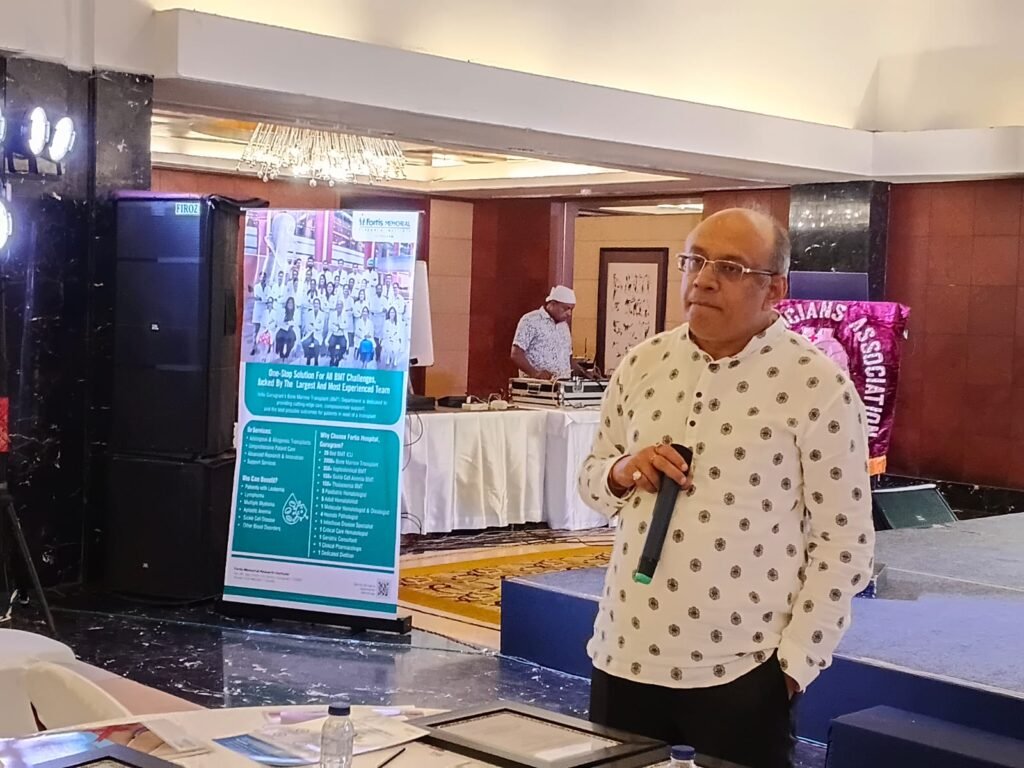
Dr GC Gulgulia, President, Family Physician Association said, “Platforms such as the Hematology Conclave play a vital role in bridging the gap between primary care physicians and specialists. As family physicians are often the first point of contact for patients, staying updated on the latest developments in hematology, pediatric blood disorders, bone marrow transplantation and genomic medicine is essential for timely diagnosis and referral. Such knowledge-sharing initiatives strengthen collaborative care and ultimately help improve patient outcomes through early intervention and access to advanced treatment options.”